Salah’s Statement Shakes Liverpool to Its Core
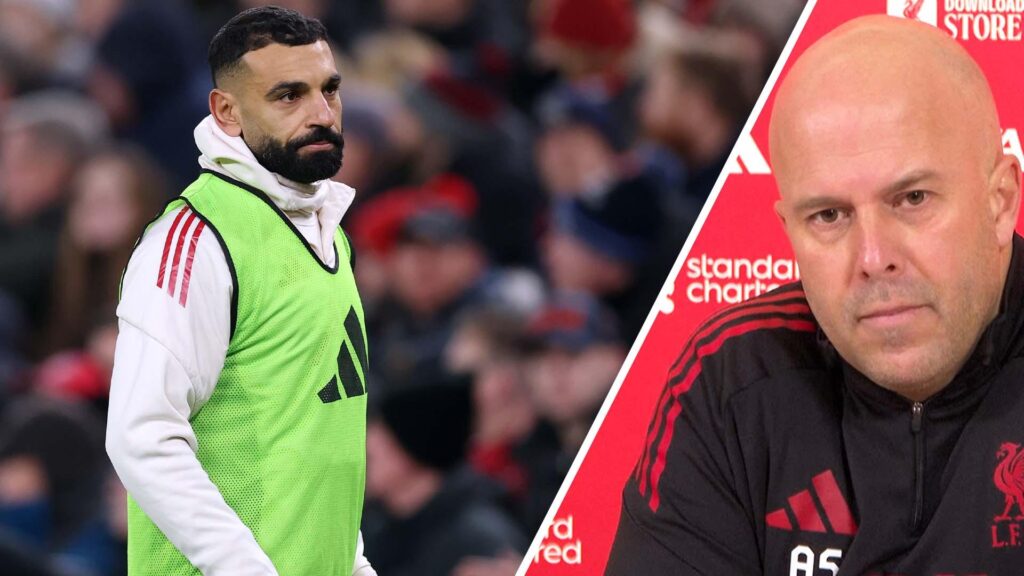
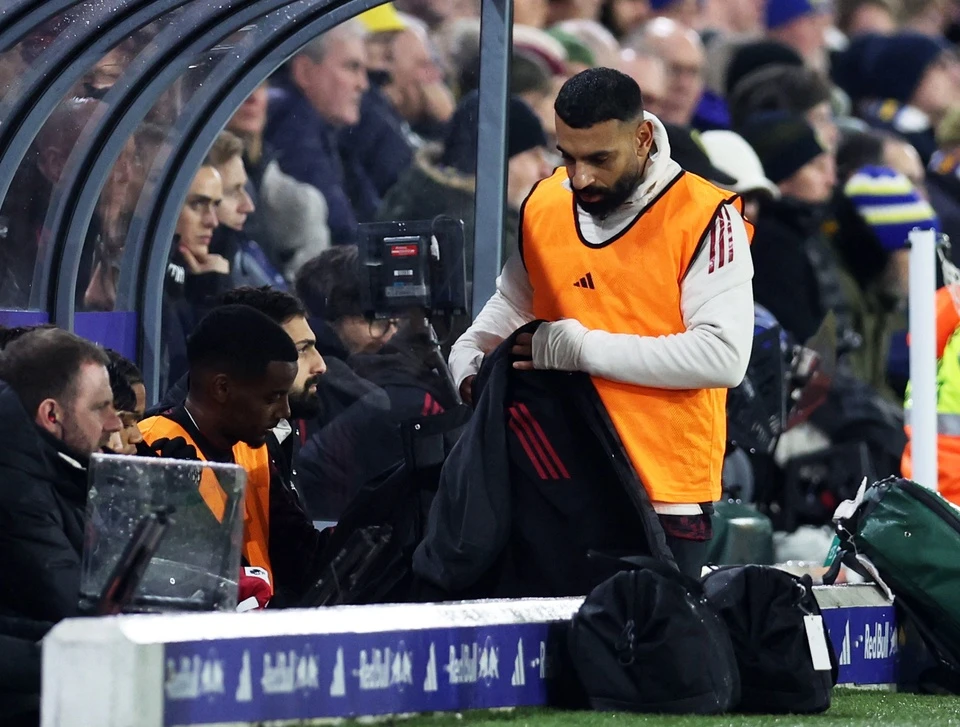
In an unexpected twist during the 15th round of the Premier League, the 3-3 draw against Leeds United has sent tremors through Liverpool FC, with Mohamed Salah at the epicenter of this turmoil. Salah remained on the bench the entire match, yet his presence was commanding. Dressed in a thick jacket and balaclava, he sat silently, seemingly avoiding any gaze. But once the final whistle blew, he dashed onto the pitch, radiating a raw energy that hinted at repressed frustration.
Was that a farewell gesture? As Salah waved to the Liverpool fans, it felt more like a signal that something was amiss. Shortly thereafter, he approached a familiar group of journalists and stated simply, “I will come back.” This remark was not a casual offhand comment but the precursor to a revealing seven-minute discussion that exploded like a bombshell that night at Elland Road.
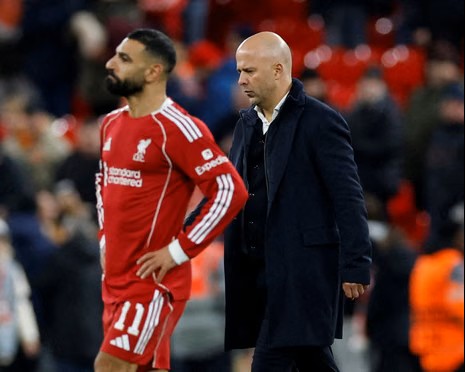
With crystal clarity, Salah disclosed: he no longer has faith in manager Arne Slot. For an ordinary player, such a comment might be dismissed as locker room grumbling. However, for Salah—arguably the most influential player at Liverpool since Steven Gerrard—his words carry immense weight. When Salah turns his back, it signals a crisis.
Slot now finds himself in the eye of the storm. With just two wins in his last ten Premier League matches, his position is precarious. Yet, losing Salah’s trust strikes the deadliest blow. While players like Van Dijk and Szoboszlai may voice their support, Salah’s symbolic power resonates far more deeply, able to ripple through the entire locker room without any captain’s armband.
The paradox of Slot’s situation is striking. Should he give in to Salah’s wish to play against Brighton, he risks appearing weak and losing authority. Conversely, excluding Salah could provoke an uproar among fans and may alienate the dressing room further.
Liverpool’s decision-makers—Richard Hughes and Michael Edwards—are now trapped in this vortex, weighing the loyalty to a 34-year-old Salah with just one year remaining on his contract against an increasingly doubtful manager, despite having led Liverpool to Premier League glory last season. Salah’s value transcends mere statistics; he embodies the club’s identity and has a voice that extends beyond the pitch.
This incident didn’t occur spontaneously. Just a week prior, Salah nearly expressed his frustration after being left out against London Stadium. However, it wasn’t until the Leeds match, filled with pent-up emotion, that he finally voiced his displeasure. When Salah speaks, it’s not just to vent—it’s to incite change, reminiscent of his previous tactics at Southampton to force the club into offering a new contract.
Now, his aim is shifted toward Slot.
How will his teammates react upon hearing these words on their return to Merseyside? Regardless of where they stand, a division has already been created. A once-united title-winning team faces an unprecedented power struggle not seen since the Rafa Benitez era. Salah even mentioned inviting his parents to the Brighton game, suggesting it might be his “last match.” Whether said in earnest or as a psychological tactic, one thing is clear: Salah has placed Liverpool at a critical crossroads.
The club is transitioning from merely struggling to outright division. This moment is no longer about tactics, form, or injuries. It has evolved into a conflict between a club icon and a manager losing control. The impending decision at Anfield will not only influence immediate outcomes but could shape the future of Liverpool FC for years to come. Who will ultimately triumph, and who will be left in the shadows? The choice lies ahead, and it’s destiny in the making.