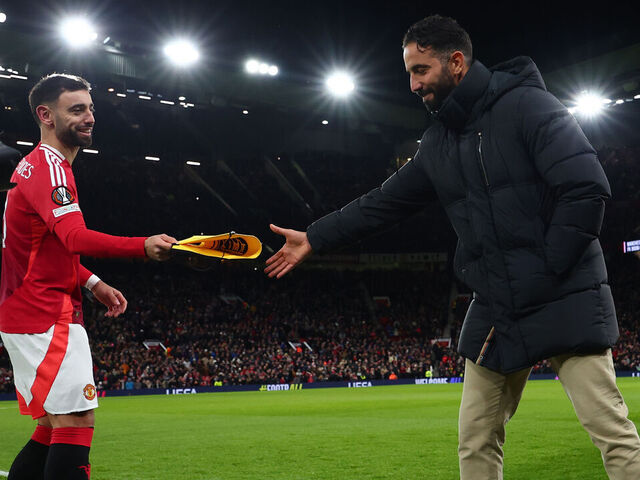
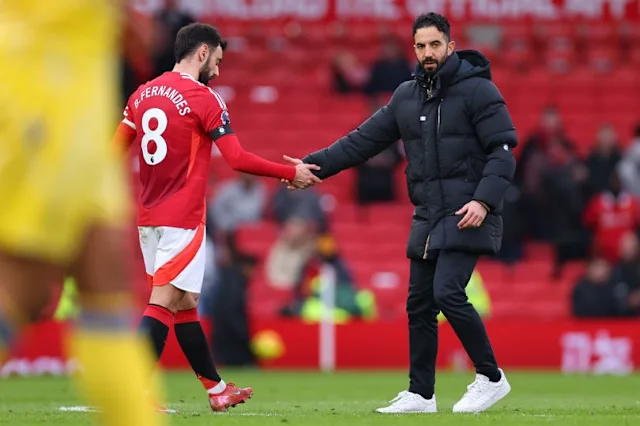
Bruno Fernandes’ explosive interview was far more than a personal outburst. It revealed deep fractures within Manchester United, raising urgent questions about the captain’s role, the club’s management structure, and the true direction under Sir Jim Ratcliffe.
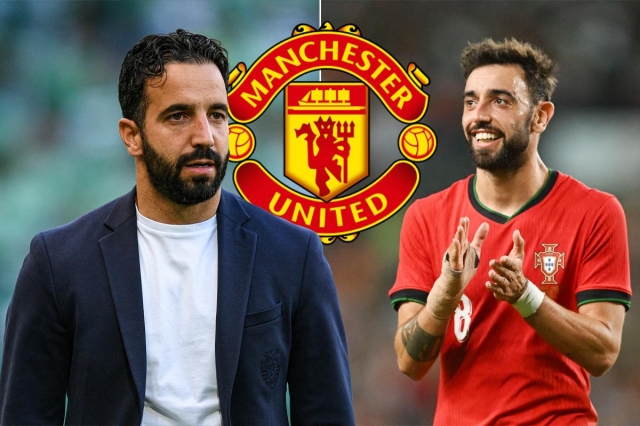
Fernandes is not the first to criticize United, but rarely has such heavy criticism come directly from the captain, at such a sensitive moment, and with such weight. His conversation with Canal 11 felt less like a casual sharing of emotions and more like a formal indictment—where Fernandes played both witness and accuser.
By claiming that United’s executives value “money above everything,” Fernandes revisited the saga of his near‑move to Saudi Arabia and directly challenged INEOS’ operating philosophy. Coming from the man wearing the armband, this accusation carried enormous gravity. He went further, suggesting that “loyalty is no longer respected” and that the board lacked the “courage” to confront coach Ruben Amorim, who wanted him to stay. These remarks painted a picture of a divided club: one side led by the manager and key players, the other dominated by financial calculations.
The problem is that Fernandes spoke not as an ordinary player but as the leader of the dressing room. Every word therefore weighed more heavily. The most damaging part of his interview was not about money or transfers, but when he turned toward his teammates: “Some players don’t value or protect the club the way I do.” He did not name names, but that only intensified the tension. Eyes in the locker room would inevitably start searching—who lacks loyalty, who is being accused, and can the captain still unite the squad?
Roy Keane once did something similar, but in a different context. His harsh words were meant to raise standards and push the team forward. Fernandes, by contrast, seems to be venting personal frustration rather than inspiring collective improvement. What makes this even more complicated is the contradiction with his own words just two months earlier. Before his 300th match for United, he insisted the board had assured him he was part of the plan and not for sale. Now, he claims he was pressured to leave. Has something changed behind the scenes, or has emotion overtaken reason? Either way, his choice to speak out so bluntly is risky for a captain.
If Fernandes’ statements are true, United faces a problem far deeper than inconsistent performances. It is a clash of philosophies: financial stability versus preserving the soul and identity of the club. The fractures are visible not only in his words but also in disputes around Ruben Amorim, the handling of young talents like Kobbie Mainoo, and controversial comments about academy players. United currently looks like a team unsure of who it is or where it is going.
In such a fragile context, the captain’s role becomes even more vital. Fernandes should have calmed the storm, but instead he poured fuel on the fire. His frustration may be genuine, but airing it publicly has exposed internal conflict. In the short term, he remains too important to be sidelined—Amorim needs him, and United needs him. Yet history shows that confrontations of this kind rarely end smoothly. Keane was once an icon, but he too had to leave. Fernandes, despite different circumstances, may not escape that same fate.
What Fernandes must do now is not grant another interview, but clarify his position directly with the club and his teammates. A captain is not judged only by goals or assists, but by his ability to hold the team together when everything shakes. Manchester United is fragile, and this explosion from its leader—whether born of truth or emotion—may be the last thing the club needs right now.