Liverpool’s True Colors Revealed
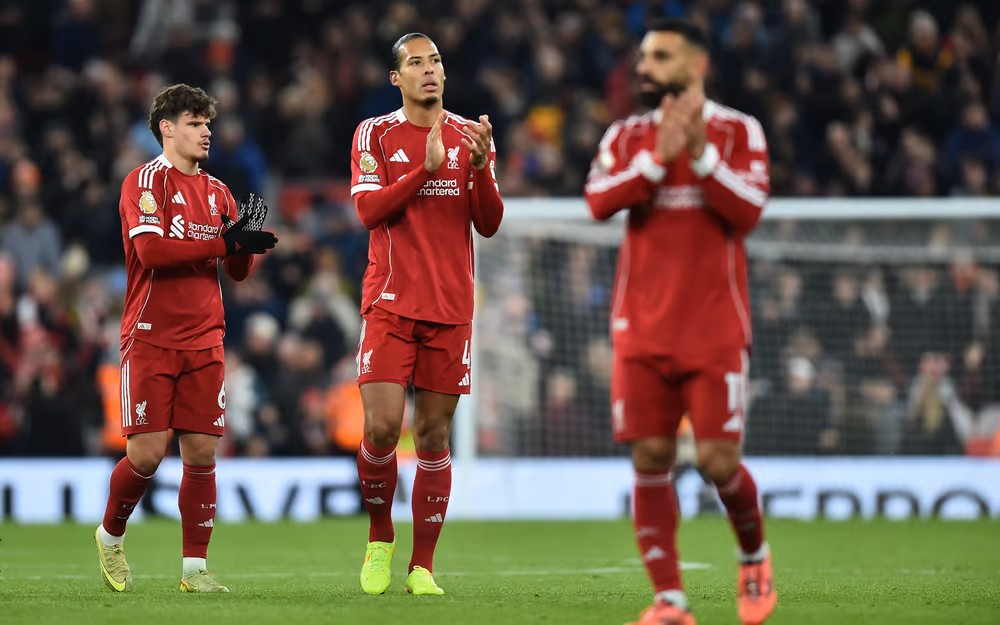
On December 4, 2025, Liverpool walked away from their match against Sunderland with a 1-1 draw, but the lingering sensation isn’t regret for not winning. Instead, it’s a growing concern about a system that appears out of sync.
While Mikel Isak has yet to justify his value at Liverpool, the match exposed old vulnerabilities and new limitations. The team found themselves relying heavily on their marquee signing, Florian Wirtz, who shone brightly with a key role in the game’s dynamics. Following his opening statement with a goal against West Ham, Isak struggled to find his place against Sunderland, becoming virtually invisible in the first half.
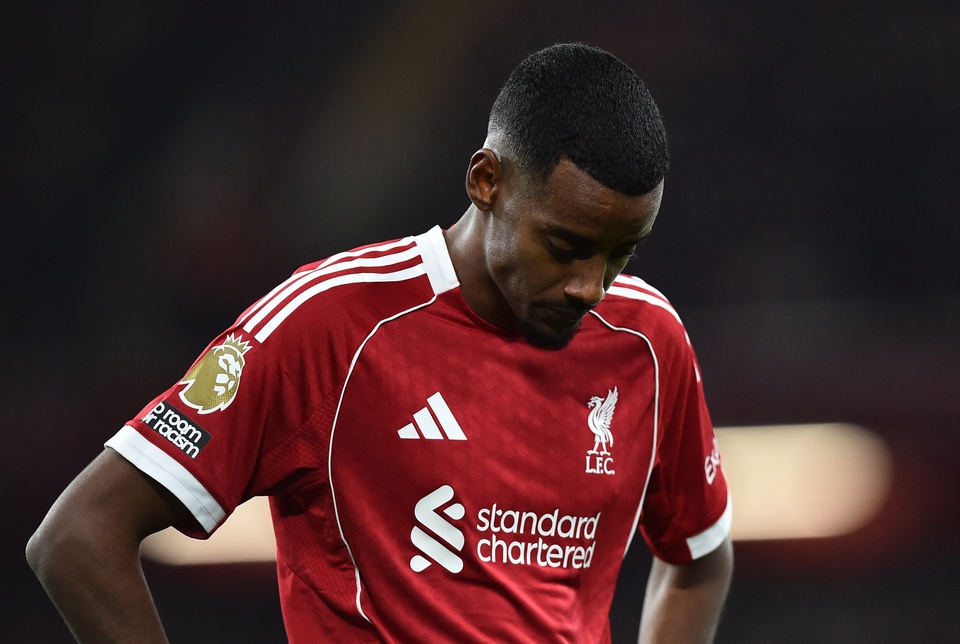
Isak looked more like a misplaced cog than the driving force Liverpool needed. The disparity between expectation and reality for a striker poised for a breakout was disheartening. Yet, it was Wirtz who consistently brought energy to the pitch, serving as the main creative outlet throughout the match.
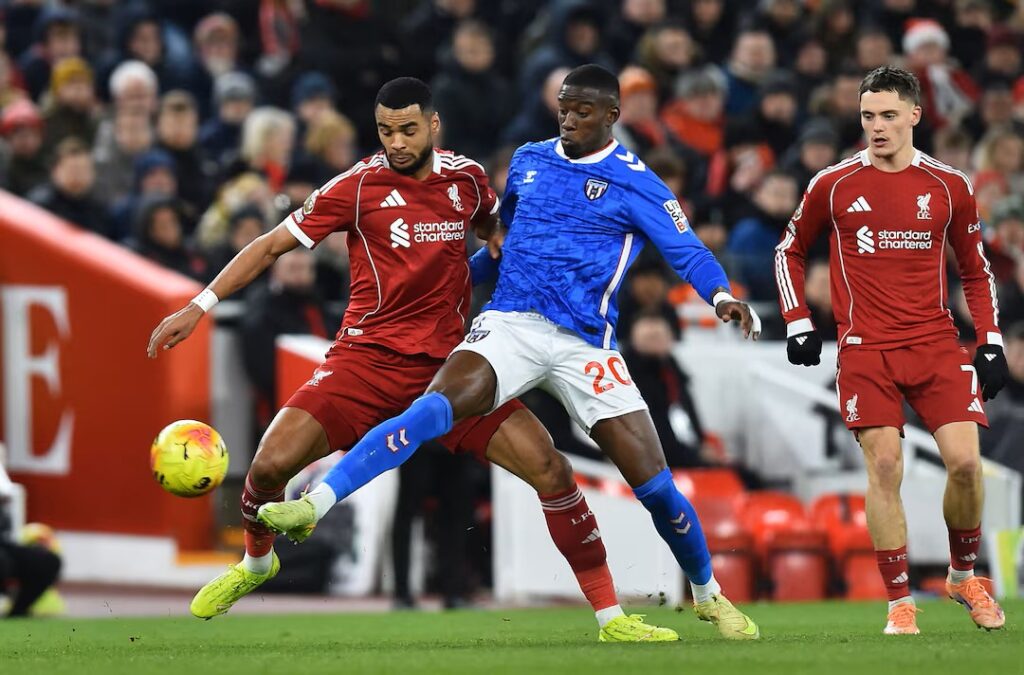
The equalizing goal by Liverpool perfectly illustrated Wirtz’s impact. Curtis Jones pressed and passed it to Wirtz, who exhibited an impressive blend of skill, creativity, and decisiveness. Although the ball deflected off Nordi Mukiele before going in, the goal bore Wirtz’s unmistakable mark from start to finish.
In successive matches, Wirtz and Isak have stepped up to guide Liverpool, raising questions about the stability of Arne Slot’s system which still falls short of expectations for a title-contending side. The scenario became even clearer in the dying moments when Liverpool’s defensive organization crumbled as they sought a winning goal.
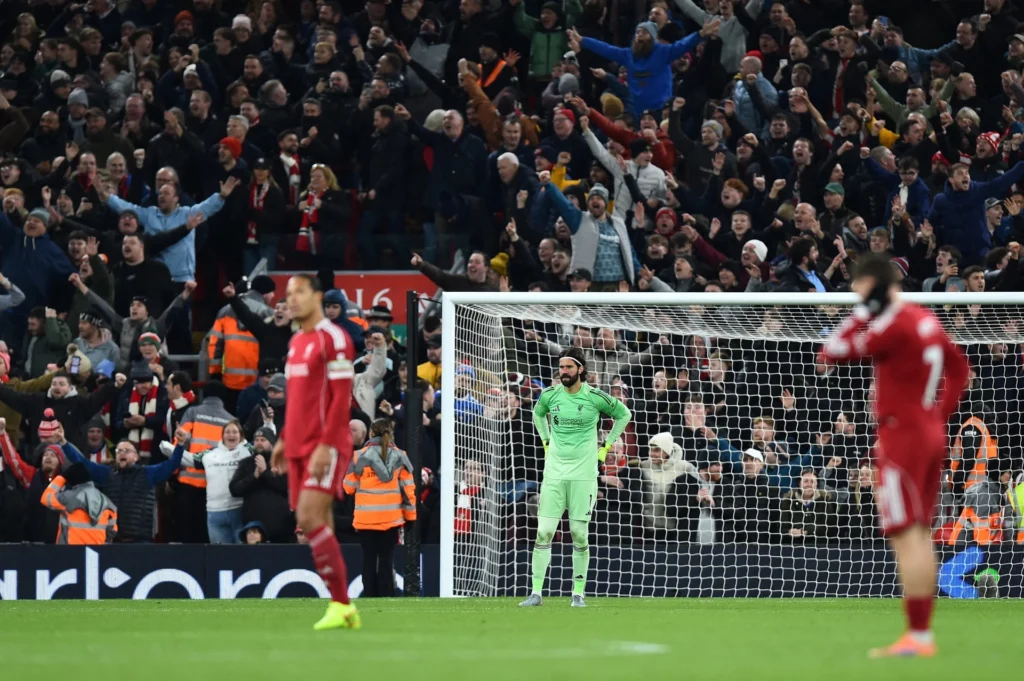
Virgil van Dijk and Ibrahima Konate found themselves stranded in opposition territory after a set piece, while Federico Chiesa, brought in to play as a striker, was the lowest defender yet failed to mark Wilson Isidor adequately. A perfect long pass from Roefs sent Isidor racing toward Alisson, and had Chiesa not sprinted back to clear the ball off the line, Liverpool would have faced humiliation at Anfield. A strong team can’t rely solely on a forward’s saves.
The final minutes showcased Liverpool’s imbalanced structure, lacking resolve when it mattered most, and demonstrating a failure to manage risks—a hallmark of the Klopp era. Slot aims to create a more controlled and adaptable Liverpool, yet the current squad appears fragile, prone to chaos under pressure.
Even Slot’s decision to introduce Mohamed Salah early in the second half indicated his tactical blueprint lacks creative depth. The trio of Gravenberch, Mac Allister, and Szoboszlai may maintain tempo but lack the decisive punch. Robertson and Gomez’s crosses were frequent yet imprecise, and without Wirtz, Liverpool had few who could produce real moments of brilliance.
After the match, Slot candidly admitted, “We didn’t create much and allowed the opponent to do the same. But we were lucky at the end.” This perfectly summarises the on-field reality. Liverpool failed to assert control, lacked sharpness in attack, and couldn’t defend reliably, leaving them undeserving of a win.
In their last two outings, Isak has scored, and Wirtz has made his mark, yet Liverpool couldn’t beat Sunderland—a well-organized but not overwhelmingly strong side. This suggests that the Anfield outfit is overly reliant on individual efforts rather than a solid structure. A championship-conquering team must demonstrate week-to-week stability, not merely survive on isolated moments or sheer luck.
Liverpool left the pitch with a single point, but the significance of the match transcends the score. It serves as a stark warning: Slot may have two standout new signings, but the collective remains insufficiently robust to reach the pinnacle of success. If they wish to compete for the title, Liverpool must urgently address their fundamental issues—not just with Isak and Wirtz, but with themselves.