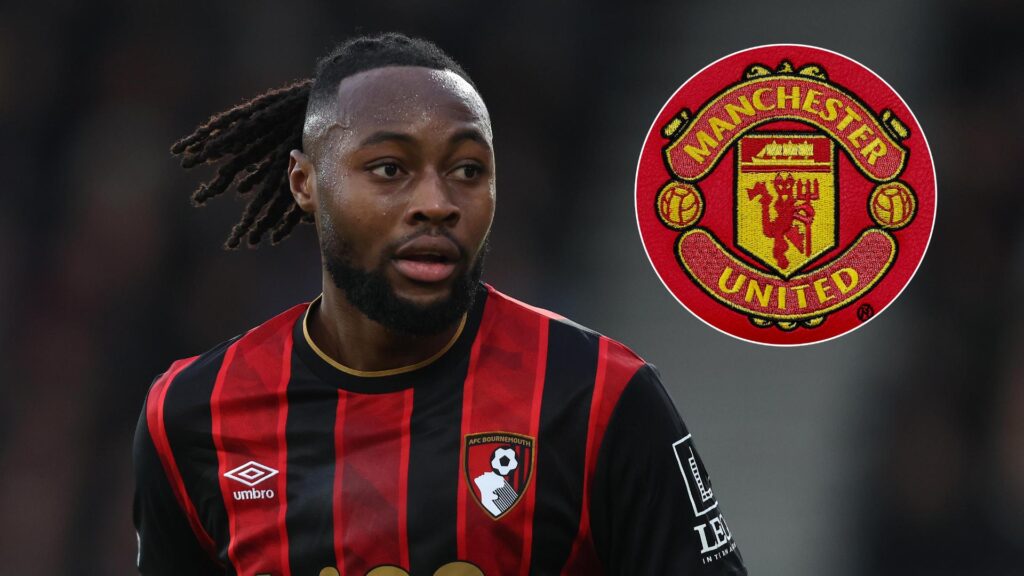
Why is Manchester United ready to risk it all this January? The answer lies in one name: Antoine Semenyo.
Manchester United is preparing to go all‑in during the winter transfer window, urgently negotiating with Bournemouth to secure the signing of Antoine Semenyo right at the start of January. This move is not just about strengthening the squad—it’s a calculated gamble tied to a crucial release clause in the Ghanaian forward’s contract. Semenyo can leave in January 2026 for £65 million, a figure significantly lower than the £80 million Bournemouth demanded last summer. For United, the timing feels perfect: a chance to land a 25‑year‑old striker at a reduced price.
Back in the summer of 2025, United had already shown serious interest in Semenyo but backed away when Bournemouth’s valuation seemed excessive. Now, with the fee dropping by at least £15 million, the club sees no reason to hesitate. From a financial perspective, this is a rare opportunity; from a sporting angle, it could be transformative.
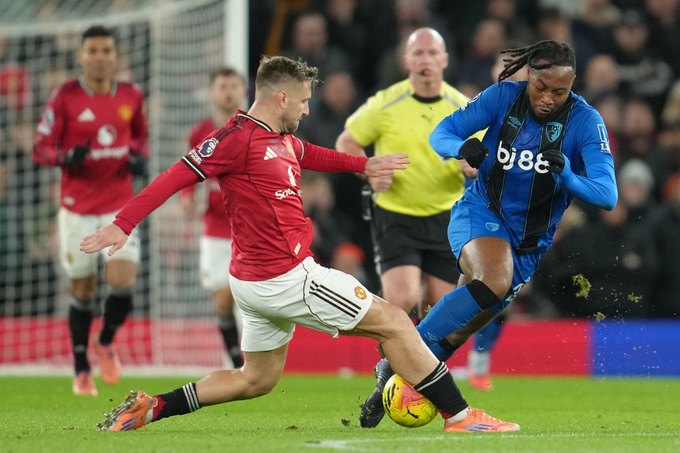
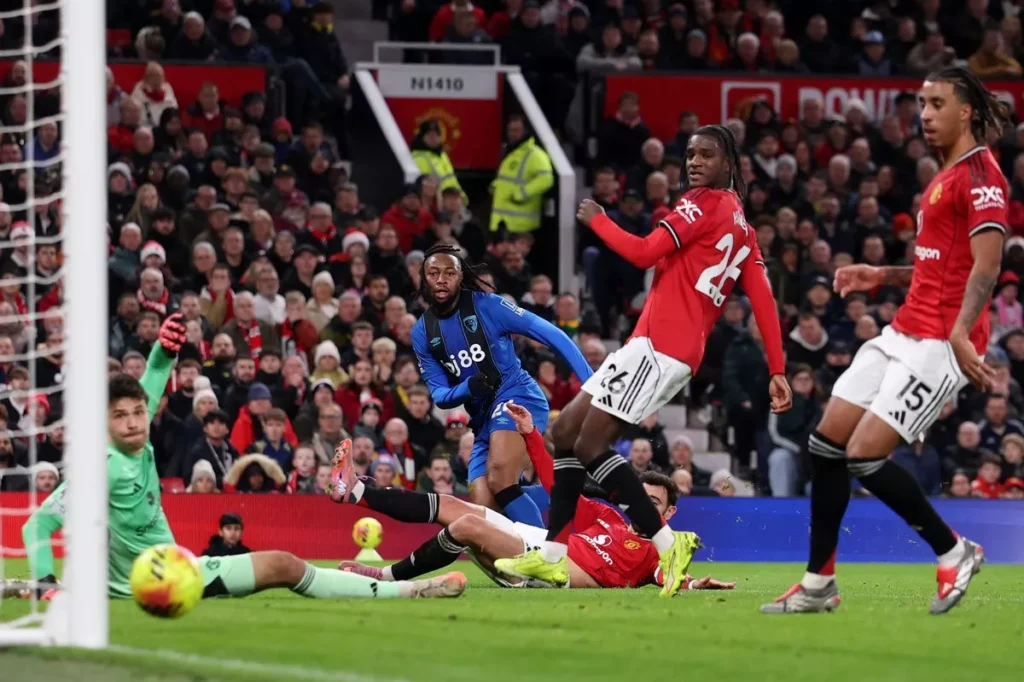
Semenyo’s performances this season have been nothing short of explosive. In 16 official matches, he has contributed directly to 10 goals—7 scored himself and 3 assists. His most memorable strike came against United at Old Trafford, where he punished Luke Shaw’s mistake with a blistering run down the right flank and a cold‑blooded finish to level the score. That moment captured the imagination of fans and pundits alike. Rio Ferdinand, commentating live, shouted with excitement: “United must keep him here. Don’t let him leave. Semenyo has to belong to us!”
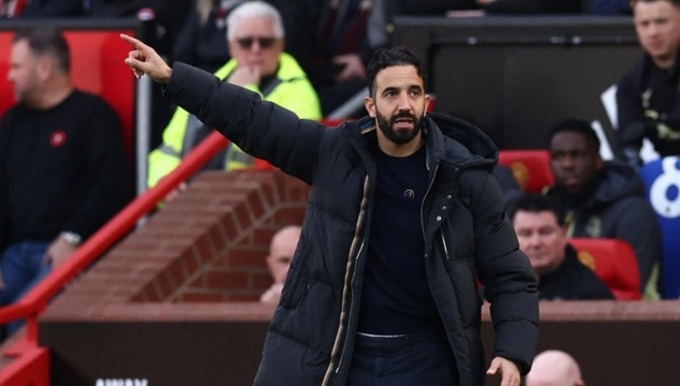
Such praise is not isolated. Manager Ruben Amorim has long admired Semenyo, describing him as “a very special player.” Amorim believes the Ghanaian forward fits seamlessly into his preferred 3‑4‑2‑1 system, where wide attackers are vital. Semenyo already thrives in a similar setup at Bournemouth, meaning adaptation at Old Trafford would likely be swift. His pace, strength, and technical ability make him a rare asset in the Premier League—one of the few attackers equally comfortable with both feet. He combines ruthless finishing with creative vision, while also tracking back to defend, sometimes operating almost like a wing‑back under Andoni Iraola’s system.
From multiple angles, the case for Semenyo is compelling. Financially, United would be capitalizing on a unique contractual window. Tactically, Amorim sees him as the missing piece to unlock his system. Competitively, Semenyo’s rise has already attracted interest from Liverpool and Manchester City, meaning hesitation could cost United dearly. For supporters, the gamble feels less like recklessness and more like ambition—an attempt to reclaim attacking dominance with a player who has already proven he can hurt the biggest clubs.
In short, Antoine Semenyo embodies everything United is searching for: power, speed, versatility, and hunger. No wonder Amorim is urging the board to act decisively. January may well be the moment when United’s gamble turns into a masterstroke.