
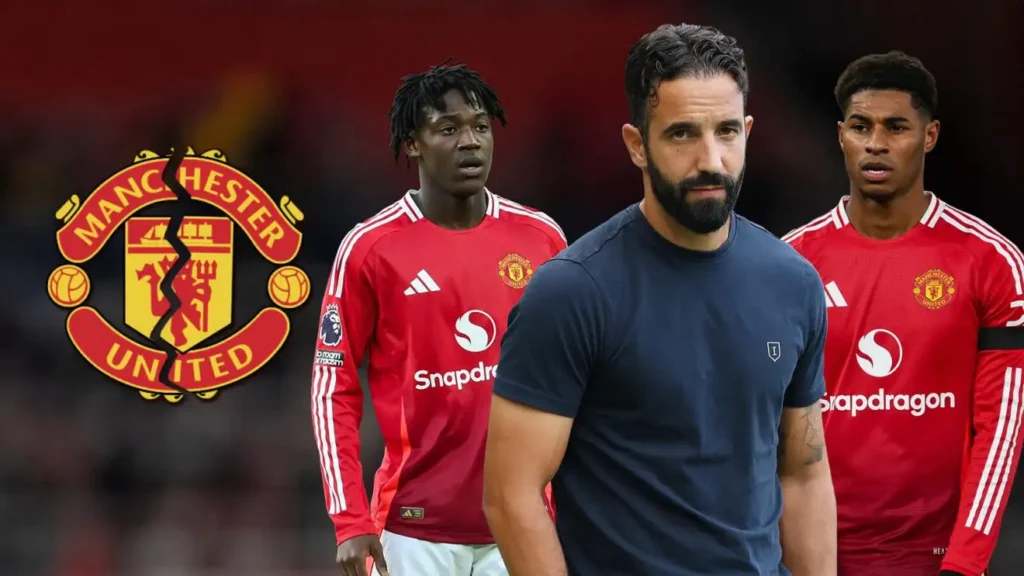
What happens when the pride of Manchester United’s academy collides with the ruthless demand for victory? Ruben Amorim has just delivered a message that cuts straight to the heart of the debate. Head coach Ruben Amorim has made one thing clear: at Old Trafford, winning is the only standard, no matter if you are a rising talent or a seasoned star.
This season, Kobbie Mainoo has not been given much trust at Manchester United. Amorim chose to confront the wave of criticism head‑on. Ahead of the Premier League Round 16 clash against Bournemouth on December 16, he admitted United’s performances have fallen short and accepted that he bears the greatest responsibility for the current results.
In recent days, former legends Rio Ferdinand, Paul Scholes, and Nicky Butt have all voiced frustration over Mainoo’s lack of opportunities. The 20‑year‑old midfielder has yet to start a Premier League match this season and is likely to seek a loan move in January. Napoli is seen as the most probable destination, just as in the previous summer.
Amorim believes the sharp criticism from ex‑players stems from the winning culture they once lived through at United. In a period when the team is struggling, those comparisons feel even harsher. He openly accepts the criticism, acknowledging that Manchester United should have collected far more points by now.
For Amorim, the core issue is not about one individual but about the collective results. He stressed: “The only problem is not winning.” He even offered a striking remark: “If I’m winning, I could ride a horse to the stadium, play with two defenders, and everything would still be fine.” At Sporting Lisbon, he recalled, debates never existed simply because the team kept winning.
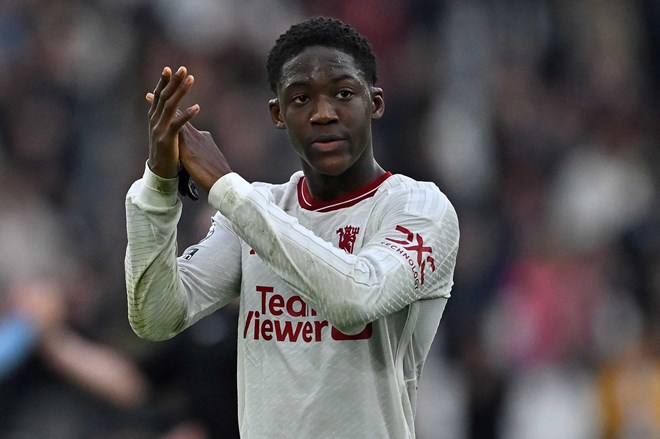
Regarding Mainoo, Amorim insisted the youngster has been given chances but has not taken them well. He does not forbid Mainoo from leaving and is open to direct dialogue if the player wishes. Yet his priority remains the team and the pursuit of victory.
Tactical factors also play a role. United currently operate with two central midfielders, which disadvantages Mainoo. Amorim admitted that if the system shifted to three midfielders, Mainoo’s chances could look very different.
And Mainoo is not alone. Amorim offered blunt assessments of other young players: Toby Collyer has struggled for minutes at West Brom, Harry Amass faces challenges in the Championship, and Chido Obi is not a regular choice for the U21s. He emphasized that all of them were handed opportunities during a period when he was under immense pressure and constantly facing calls for dismissal.
His message is crystal clear: Manchester United’s academy tradition is a source of pride, but it is not a guaranteed ticket to the starting lineup. At Old Trafford, victory remains the highest standard.