
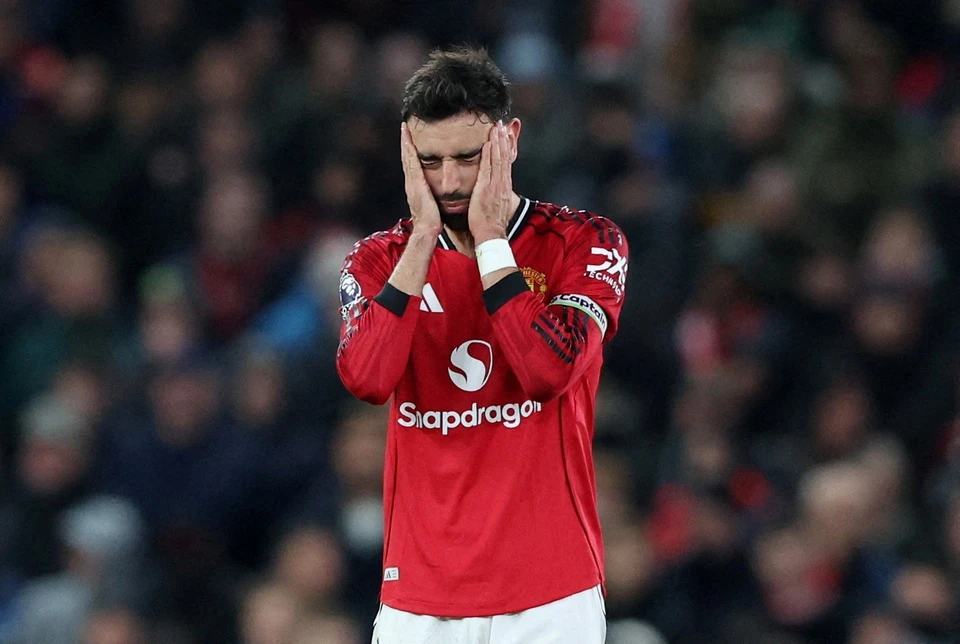
MU Reaps What It Sows: A Cautionary Tale in the Premier League
Once again, Manchester United has failed to secure a lead, revealing deep-seated issues in their game control and fragility in high-stakes moments. In their encounter with West Ham during Matchday 14 of the Premier League, the familiar concerns resurfaced: a lack of decisiveness when it comes to closing out a match and the glaring quality gap between the starting XI and the subs.

It’s a pattern that has become almost habitual for Man Utd—taking the lead only to fall behind again. Old Trafford witnessed a late awakening when Diogo Dalot scored in the 58th minute, embodying the ‘surprise entry’ spirit that coach Ruben Amorim envisions from his wing-backs. However, just when it seemed they were in control, MU reverted to old habits. In the 83rd minute, a chaotic defensive sequence allowed Magassa to level the score, punishing the indecisiveness of the home defense.
The final moments morphed into a struggle marked by anxiety rather than a pursuit of victory. Fans in the stands wore expressions of disappointment, too accustomed to seeing their team briefly occupying the top spots in the table before reverting to the familiar mid-table territory.
Reflecting on this season reveals numerous missed opportunities for MU to elevate their standing. Against West Ham, a win would have pushed them to fifth place, capitalizing on the inconsistent form of rival teams. Instead, they dropped crucial points at a pivotal moment—not merely a tactical error, but a symptom of structural deficiencies: a squad lacking depth, balance, and stability in critical phases.
Despite creating chances, the issues at MU delve deeper than tactical execution; they stem from the quality of personnel. Amorim’s high-intensity system exposes substitutes who cannot match the required standard when opposition pressing ramps up. The Premier League demands 15 to 16 reliable players, yet MU fields only 11 to 12 trustworthy names.
The likes of Patrick Dorgu and Manuel Ugarte symbolize this struggle—they’ve been identified by Amorim as ‘having difficulties’ on the field, and this becomes apparent when they enter at crucial moments, showcasing instability rather than effectiveness. It’s no coincidence that MU frequently loses structure after mandatory substitutions.
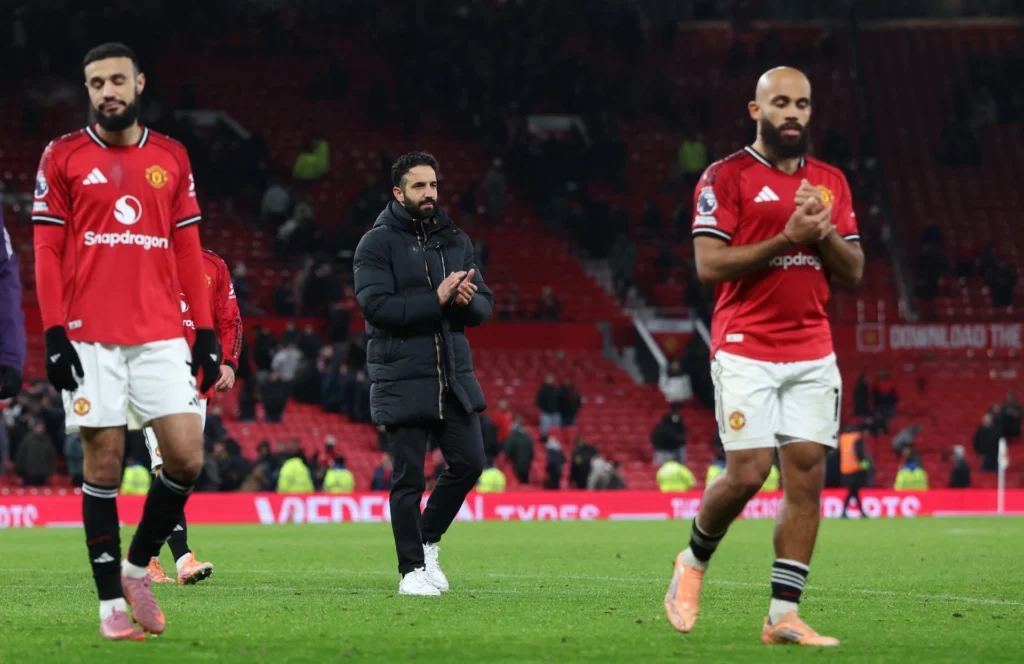
For a team playing just once a week to fade in the final 20 minutes raises serious concerns. Whether attributing this to physical conditioning, mental resilience, or squad depth, the reality is that MU pays the price in lost points. If this trend continues, they not only jeopardize two points against West Ham but also risk losing their foothold in the Champions League race.
What is the focal point for Man Utd currently? It’s easy to see that Amorim has introduced clear tactical structures and a proactive mentality into the game. However, MU remains trapped in an irony: they perform better when ahead yet become exceedingly vulnerable thereafter. The team struggles to retain tempo, control the midfield, and gets caught in chaotic scrimmages—a scenario they endured for many seasons.
This issue isn’t just about lacking quality players; it reflects a broader team mentality. West Ham, while not superior, displayed enough persistence to seize opportunities. In contrast, MU lacks the composure and grit needed in the most tense moments—qualities that once defined their glory days.
The pressing question now is not why Manchester United keeps dropping points, but when will they learn to secure all three? If the team continues to start strong only to falter at the end, relies excessively on a thin core of key players, and cannot impose themselves for a